Staying Healthy During Tourist Season
Each summer, the Flathead Valley becomes a destination for visitors drawn to its natural beauty, diverse recreation opportunities, and proximity to Glacier National Park. While tourism brings energy and economic benefits to the region, it also brings a seasonal surge in injuries, illnesses, and healthcare demand. Whether you’re a visitor exploring the area or a local navigating the busy season, a little preparation goes a long way toward staying healthy.
At Glacier Medical Associates, we see firsthand how quickly minor issues can turn into urgent medical needs during peak tourist months. Here’s what to watch out for—and how to stay safe and supported all season long.
Common Health Risks During Tourist Season
Outdoor and recreation injuries
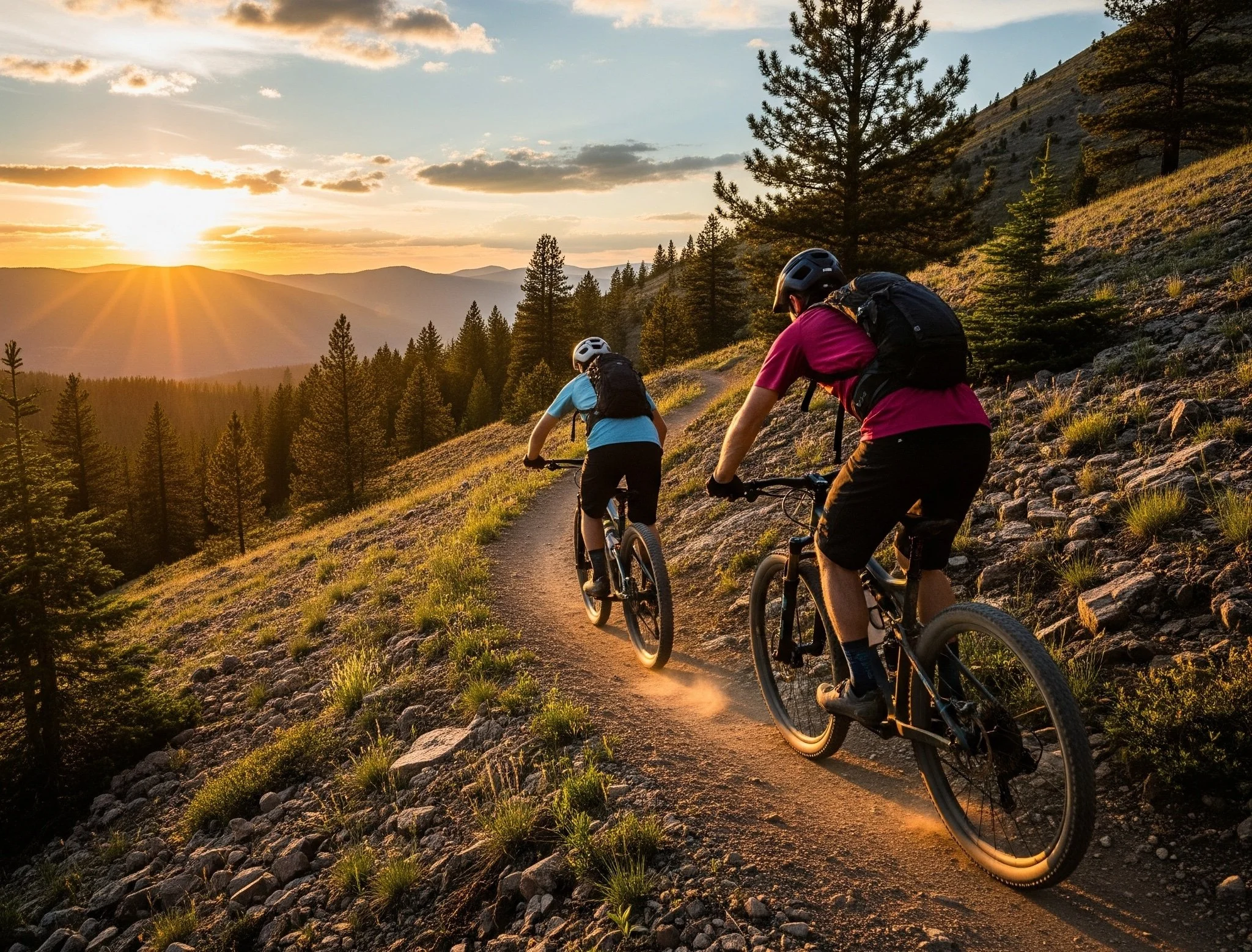
With so many people hiking, biking, boating, and exploring Glacier National Park, injuries are one of the most common summer issues. These can include:
Sprains, strains, and fractures from hiking or falls
Water-related injuries from lakes and rivers
Bicycle and vehicle accidents on busy roads
Dehydration and heat-related illness
Montana summers can be deceptively hot, especially for visitors not acclimated to higher elevations and dry air. Watch for:
Dehydration
Heat exhaustion
Heat stroke in severe cases
Wildlife and insect exposure
Encounters with nature are part of the experience—but they come with risks:
Tick bites
Bee stings and allergic reactions
Wildlife encounters, especially in backcountry areas
Illness while traveling
Tourist season often brings an increase in:
Viral respiratory illnesses
Gastrointestinal bugs from travel or food exposure
General fatigue from overpacked itineraries
Wildfire smoke and air quality
In late summer, wildfire smoke can affect air quality across the valley, triggering:
Asthma flare-ups
COPD complications
Eye and throat irritation
Tips to Stay Healthy and Safe
A few simple habits can prevent many summer health issues:
Hydrate constantly, especially at higher elevations
Wear proper footwear for hiking and uneven terrain
Use sunscreen and reapply regularly
Carry a basic first aid kit when exploring trails or lakes
Check weather and air quality conditions before outdoor activities
Give yourself time to acclimate to altitude and activity levels
Keep emergency contacts and clinic locations handy
For families, it’s also helpful to establish a “what if” plan before heading into remote areas of Glacier National Park or surrounding wilderness.
When You Need Medical Care
Despite best efforts, accidents and illnesses still happen—especially during busy tourist months when activity levels are high.
Walk-in and urgent care options
For non-life-threatening issues, walk-in and urgent care clinics are often the fastest option. They can help with:
Minor fractures and sprains
Cuts requiring stitches
Ear infections, sore throats, and respiratory illnesses
Mild allergic reactions
Dehydration treatment
In more serious cases, emergency services or hospital care may be needed. If you’re unsure where to go, it’s always appropriate to call ahead or seek medical guidance—especially when symptoms are worsening or unclear.
A Note for Locals During Peak Season
Tourist season doesn’t only affect visitors—it also impacts residents who live and work in the Flathead Valley year-round. Increased traffic, crowded outdoor spaces, and higher demand for medical services can add stress and make everyday routines more challenging.
Locals should also:
Stay proactive with routine care through their primary care provider
Use urgent care for after-hours or same-day needs when appropriate
Refill prescriptions early during busy travel weeks
Be mindful of increased drive times to clinics and hospitals
Primary care teams help manage ongoing health needs and prevent small issues from becoming larger problems, while urgent care provides a valuable option for unexpected, time-sensitive concerns.
Staying Healthy Together
Tourist season is part of what makes the Flathead Valley such a vibrant place to live and visit—but it also requires awareness and preparation from everyone in the community. Whether you’re here for a weekend adventure or a lifelong resident, knowing where to go for care and how to prevent common issues helps keep everyone safer.
Glacier Medical Associates is here to support both visitors and locals with accessible care throughout the season, helping ensure that a summer in the Flathead Valley is memorable for all the right reasons.
Disclaimer: This site offers health information and is designed for educational purposes only. You should not rely on this information as a substitute for, nor does it replace professional medical advice, diagnosis, or treatment. If you have any concerns or questions about your health, you should always consult with a physician or other healthcare professional. Do not disregard, avoid, or delay obtaining medical or health-related advice from your healthcare professional because of something you may have read on this site. The use of any information provided on this site is solely at your own risk.